A first-time homeowner's guide to roof maintenance in Ontario
By Marcus Ramos · Updated 2026-08-21
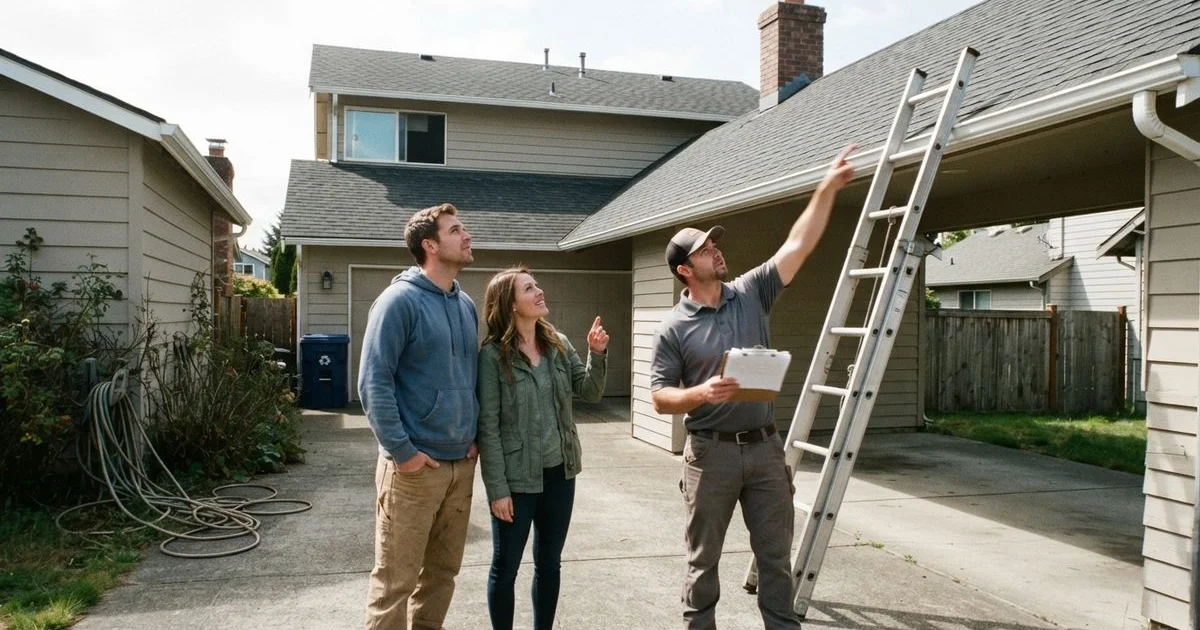
Owning your first home in Ontario comes with a long list of new responsibilities, and the roof is one that is easy to ignore until something goes wrong. A simple maintenance routine, done consistently, catches most problems while they are still small and cheap to fix.
Start with what you already have
If you just bought the home, ask the seller or your real estate agent for any roofing documentation: the age of the roof, whether it has ever been replaced or repaired, and any warranty paperwork. If nothing is available, a contractor can often estimate the roof’s approximate age from the shingle style and wear pattern during an initial inspection, which gives you a useful baseline.
A simple seasonal routine
Roof maintenance does not need to be complicated. Twice a year, in spring and fall, walk around the outside of the home and look up at the roofline. You are checking for missing, curling, or discolored shingles, visible sagging in any section, moss or dark streaking (which can indicate moisture retention), and debris buildup in the gutters. None of this requires climbing a ladder.
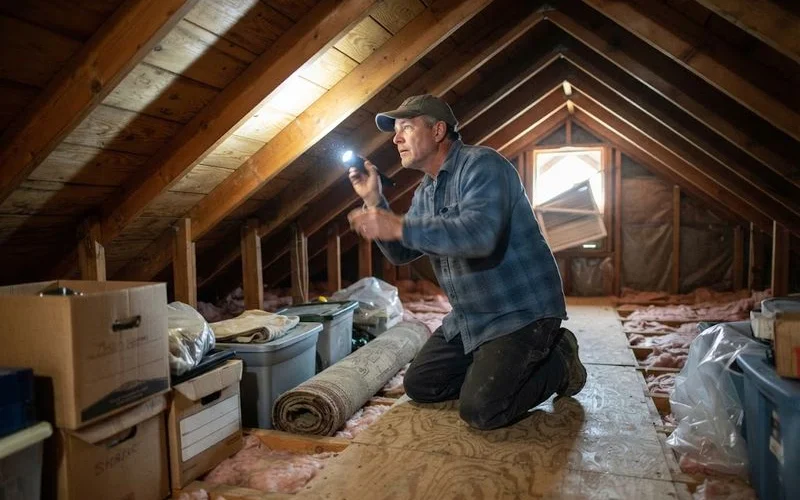
Inside, a quick check of the attic once or twice a year is worth the ten minutes it takes. Look for daylight coming through anywhere in the decking, staining on the underside of the roof, insulation that looks wet or compressed, and any musty smell, which can indicate trapped moisture before it becomes visible from outside.
After a storm
Any time your area sees a significant windstorm, hailstorm, or heavy snow, it is worth a quick visual check from the ground once it is safe. Look for obvious debris, missing shingles, or damage to gutters and downspouts. You do not need to climb up, but knowing what to look for means you catch storm damage before it turns into a bigger problem.
Small tasks that make a difference
A few low-effort habits go a long way toward extending a roof’s life. Keeping tree branches trimmed back from the roofline reduces the chance of damage during storms and cuts down on debris buildup in gutters. Making sure bathroom and kitchen exhaust fans actually vent outside rather than into the attic protects both the roof and your indoor air quality. Clearing gutters before the first freeze each year reduces the odds of ice-related backup in winter.
Setting a realistic budget expectation
New homeowners are sometimes surprised that a roof, even a relatively young one, can need attention within the first few years of ownership. Building a small home maintenance reserve, even a modest amount set aside annually, makes it easier to handle a repair without financial stress when the need eventually comes up, rather than treating every roof issue as an unplanned emergency. If cost is still a barrier when a repair comes up, our guide on free and low-cost roof repair help in Ontario lists options worth checking.
When to bring in a professional
| Situation | Action |
|---|---|
| Routine check, roof looks fine | Continue seasonal self-checks |
| Roof age unknown or approaching 15+ years | Book a professional inspection |
| Visible sagging, missing shingles, or leaks | Call a contractor promptly |
| After a major storm with visible debris damage | Get a professional assessment |
| Musty smell or staining in the attic | Investigate right away, do not wait for a scheduled check |
Building a simple maintenance file
Keep a folder, physical or digital, with your roof’s installation date if known, any warranty documents, photos from each seasonal check, and receipts or reports from any professional inspections or repairs. This becomes genuinely useful in two situations: when you eventually sell the home and a buyer asks about roof history, and when you file an insurance claim and need to show the roof was reasonably maintained.
Getting your first professional inspection
If you have never had the roof professionally inspected, that is a reasonable first step regardless of how the roof looks from the ground. A thorough inspection checks the decking, flashing, and ventilation in ways a visual check from outside cannot, and it gives you a documented starting point for everything that follows.
You can find inspection and maintenance specialists in our roof inspection and maintenance category, evaluated using our ranking method. Browse the Ontario Roofing Directory homepage for other categories as your home’s needs come up.
Frequently asked questions
- How often should I have my roof professionally inspected?
- Roughly every one to two years for a roof in good condition, with an additional check after any major storm. Older roofs or ones showing early wear may benefit from more frequent checks.
- What can I check myself without going on the roof?
- From the ground, look for missing or curling shingles, sagging areas, moss or dark streaking, and debris buildup in gutters. Inside, check the attic for daylight coming through the decking, staining, or a musty smell.
- Do I need to do anything different for a newly built or newly purchased home?
- Ask the previous owner or builder for any roofing documentation, including the installation date, material warranty, and any prior repair history, so you know what you are working with from day one.
- Is roof maintenance really necessary if nothing looks wrong?
- Yes. Many roof problems, like early flashing wear or a small ventilation gap, are not visible until they cause a leak. Regular checks catch these issues while they are still inexpensive to fix.