Who is liable if a roofer damages your property or gets hurt on the job
By Marcus Ramos · Updated 2026-08-17
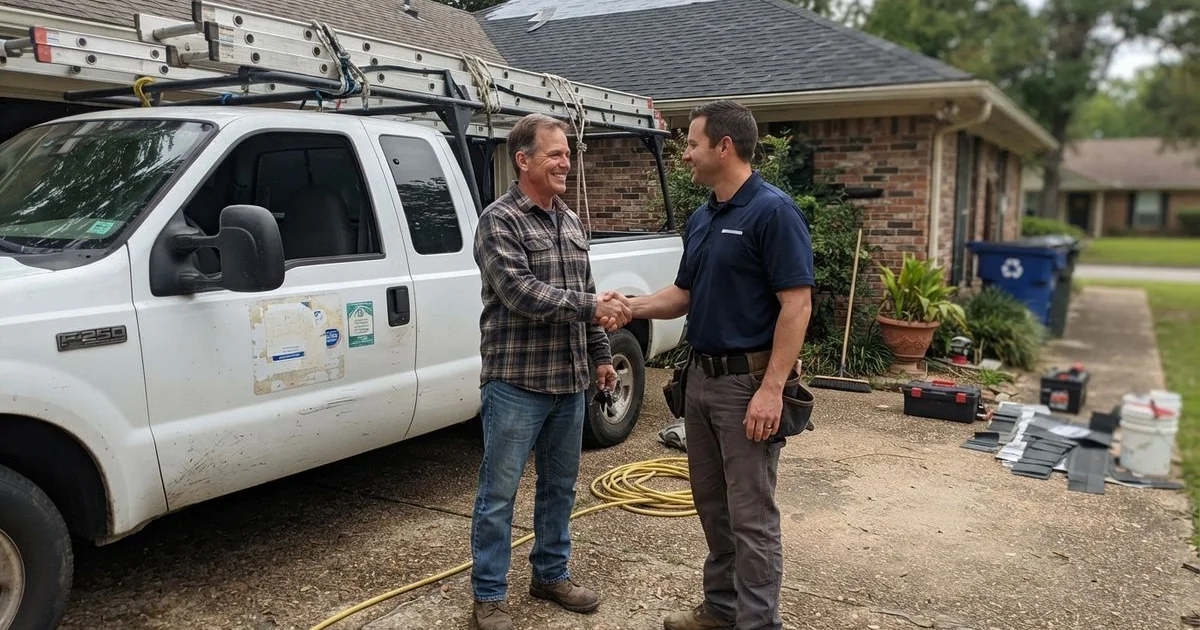
Roofing work involves ladders, materials staged in yards, and crews working at height, all of which carry some risk of property damage or injury. Understanding who is responsible before a job starts is more useful than sorting it out after something goes wrong. This is general information, not legal advice; a lawyer or your insurance provider can address specifics for your situation.
Property damage during a job
Accidental damage to landscaping, siding, windows, or a driveway during a roofing project is not uncommon, particularly during tear-off and material delivery. A properly insured contractor carries general liability insurance, which is designed to cover this kind of accidental damage. This is one of the most important things to confirm before hiring, since it directly affects what recourse you have if something is damaged.
Ask for proof of insurance before work starts, not after. A certificate of insurance from the contractor’s insurer, rather than a verbal assurance, gives you something concrete to reference if an issue comes up.
Worker injury on your property
If a worker is injured while working on your roof, the Workplace Safety and Insurance Board (WSIB) system is generally what covers workplace injuries for construction workers in Ontario. A contractor with valid WSIB coverage means their workers are covered through that system, which reduces the homeowner’s direct exposure. A contractor without proper coverage can potentially leave the homeowner more exposed if an injury occurs on the property, which is one of the more overlooked risks of hiring based on price alone.
What to ask before signing a contract

Before work begins, ask directly for proof of general liability insurance, confirmation of WSIB coverage (or a valid clearance certificate), and clarity on who is responsible for any subcontractors if the company uses them. A subcontractor working without their own coverage under an uninsured umbrella can complicate a claim later.
A quick reference
| Situation | Who typically covers it |
|---|---|
| Accidental property damage during the job | Contractor’s general liability insurance |
| Worker injury on your property | WSIB, if the contractor is properly covered |
| Damage from subcontractor’s work | Depends on the subcontractor’s own coverage |
| Damage discovered after the job (e.g. a leak from poor workmanship) | Contractor’s workmanship warranty, if one was provided |
If something goes wrong
Document any damage with photos as soon as you notice it, and put your communication with the contractor in writing rather than relying on phone calls alone. Request that the issue be handled through their liability insurance rather than an informal cash settlement, since insurance claims create a paper trail that protects both sides. If a contractor is unresponsive or denies a reasonable claim, that pattern is worth noting for anyone else considering hiring them.
Choosing with this in mind
Verifying insurance and WSIB coverage before hiring is a small step that meaningfully reduces your exposure if something goes wrong during the job. It is also a reasonable question to ask any contractor directly, and how they respond can tell you a lot before you sign anything. If the property involved is a rental, our guide on landlord and tenant roof repair responsibilities covers who is on the hook for repairs there.
Neighbouring property considerations
Roofing work sometimes affects more than the property being worked on. Debris, dust, or falling material can occasionally land on a neighbouring yard or vehicle, particularly on homes with shared or close property lines. A properly insured contractor’s liability coverage typically extends to this kind of incidental damage as well, which is another reason confirming coverage upfront matters, not just for your own property but for the surrounding area during the project.
Workmanship issues versus liability
It is worth distinguishing between a liability issue (an accident during the job, like damaged property or an injury) and a workmanship issue (a problem with the quality of the finished work, like a leak developing months later from poor installation). Workmanship problems are typically addressed through a warranty rather than a liability claim, which is why confirming both insurance coverage and warranty terms before hiring gives you protection on two different fronts.
Compare contractors and see how we evaluate transparency and track record in our ranking method. Browse the Ontario Roofing Directory to find providers by category before requesting quotes.
Frequently asked questions
- What if a contractor damages my siding or landscaping during a roofing job?
- A contractor's general liability insurance is typically what covers accidental property damage caused during the job. This is why confirming coverage before work starts matters more than after something happens.
- Am I liable if a worker is injured on my property?
- If the contractor has proper WSIB coverage for their workers, that coverage generally protects the worker and reduces the homeowner's exposure. Without it, a homeowner could potentially face more direct liability, which is why verifying coverage matters.
- How do I verify a contractor's insurance is real and current?
- Ask for a certificate of insurance directly from the contractor or their insurer, and confirm the policy is active rather than accepting a claim of coverage on its own. A legitimate contractor should be able to provide this without pushback.
- What should I do if damage happens and the contractor denies responsibility?
- Document the damage with photos immediately, keep all written communication, and request the claim be handled through their liability insurance. If the dispute is not resolved, small claims court or legal advice may be the next step for larger amounts.