Roofing permits and regulations in Ontario: what homeowners need to know
By Marcus Ramos · Updated 2026-08-14
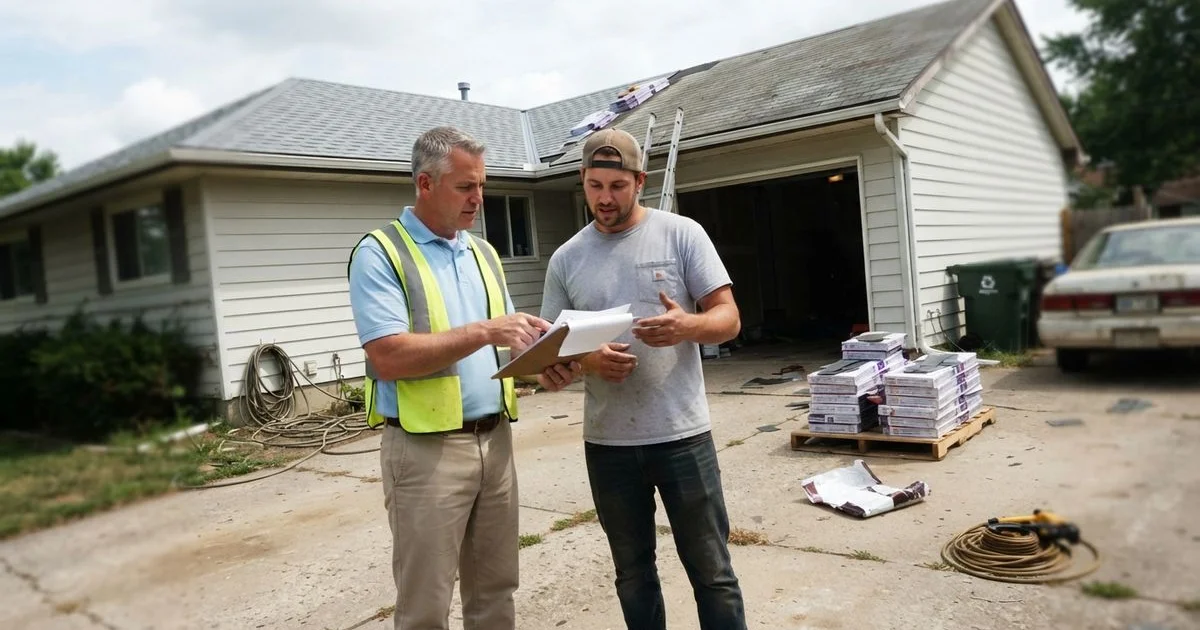
Roofing regulation in Ontario is not a single set of provincial rules; it is a mix of the Ontario Building Code and local municipal bylaws, which means requirements can vary from one city to the next. This guide covers the general pattern. This is general information, not legal advice; confirm specific requirements with your local municipal building department before starting a project.
When a permit is typically required
Permit requirements are set at the municipal level, so the exact rules depend on where you live. As a general pattern, a straightforward like-for-like re-roof on an existing single-family home (same footprint, same general structure) often does not require a permit in many Ontario municipalities. Work that changes the roof structure, adds a dormer or addition, involves new construction, or applies to a commercial building more commonly does require one. Because this varies by city, the only reliable way to know for certain is to check with your local building department before work begins.
The layer rule
The Ontario Building Code generally limits roofs to a maximum of two layers of asphalt shingles. If a roof already has two layers, a full tear-off is typically required rather than installing a third layer on top. This rule exists partly for structural reasons (extra layers add weight) and partly because multiple layers make it harder to properly inspect and secure the decking underneath.
Licensing and insurance
Ontario does not currently require a specific provincial roofing license the way some trades require certification, which makes it more important for homeowners to verify a contractor’s credentials directly. Ask to see proof of general liability insurance and a valid WSIB clearance certificate, which confirms the company is covered for workplace injuries. Without that coverage, a homeowner can be exposed to liability if a worker is injured on their property during the job. For more on what happens if something goes wrong on the job, see our guide on who is liable if a roofer damages your property.

Inspections during the project
If a permit is required, a municipal inspector may need to review the work at specific stages, such as after decking is exposed but before new material goes on, and again once the project is complete. A contractor who regularly pulls permits will already know the local inspection sequence and can build the timing into the project schedule, rather than treating it as an afterthought that delays completion.
Common regulated elements
| Element | What is typically regulated |
|---|---|
| Number of shingle layers | Maximum two layers under Ontario Building Code |
| Structural changes | Usually require a permit and engineering review |
| New construction or additions | Typically require a permit |
| Worker safety on site | Covered under Ontario health and safety regulations |
| Contractor insurance | Not licensed provincially; verify directly with the contractor |
Why this matters beyond compliance
Permits and inspections exist to catch structural issues before they become safety problems, and proper documentation protects you as a homeowner if you sell the property later. Unpermitted work that should have had a permit can complicate a sale, since buyers and their lawyers often ask for permit history on major projects like a full re-roof.
Heritage and conservation areas
Homes in a designated heritage district or conservation area can face additional restrictions on roofing materials or appearance, beyond the standard building code requirements. If your property falls into one of these categories, check with your municipality’s heritage planning department before finalizing material choices, since some changes may need separate approval even for routine maintenance.
Working with your municipality directly
Municipal building departments generally publish permit requirements and application processes on their websites, and many offer a phone line or in-person counter for specific questions about a project. Calling ahead with your address and a description of the planned work is a reliable way to get a definitive answer rather than relying on general assumptions from a different municipality or an outdated source.
What to ask a contractor before starting
Ask directly whether your project requires a permit for your specific municipality, who is responsible for pulling it, and for proof of insurance and WSIB coverage. A contractor who answers these questions clearly and provides documentation without hesitation is generally a better sign than one who waves off the question.
To compare Ontario roofing contractors on criteria that include transparency and track record, see our ranking method, and browse listings from the Ontario Roofing Directory homepage.
Frequently asked questions
- Does every roof replacement need a permit in Ontario?
- It depends on your municipality and the scope of work. Many like-for-like re-roofs on an existing single-family home do not require a permit, while structural changes or new construction typically do. Check with your local municipal building department before starting.
- Who is responsible for getting the permit, me or the contractor?
- Typically the contractor pulls the permit as part of the job, but the homeowner is ultimately responsible for the property being compliant. Confirm in writing who is handling it before work starts.
- What happens if roofing work is done without a required permit?
- Consequences can include fines, having to open up completed work for inspection, and complications when selling the home, since unpermitted work can surface during a buyer's due diligence. Requirements vary by municipality, so check locally.
- Do I need to verify a contractor's insurance and WSIB coverage myself?
- It is worth asking for documentation directly rather than assuming. A contractor operating without proper coverage can leave a homeowner exposed if a worker is injured on the property during the job.