Is roof damage covered by home insurance in Ontario?
By Marcus Ramos · Updated 2026-08-12
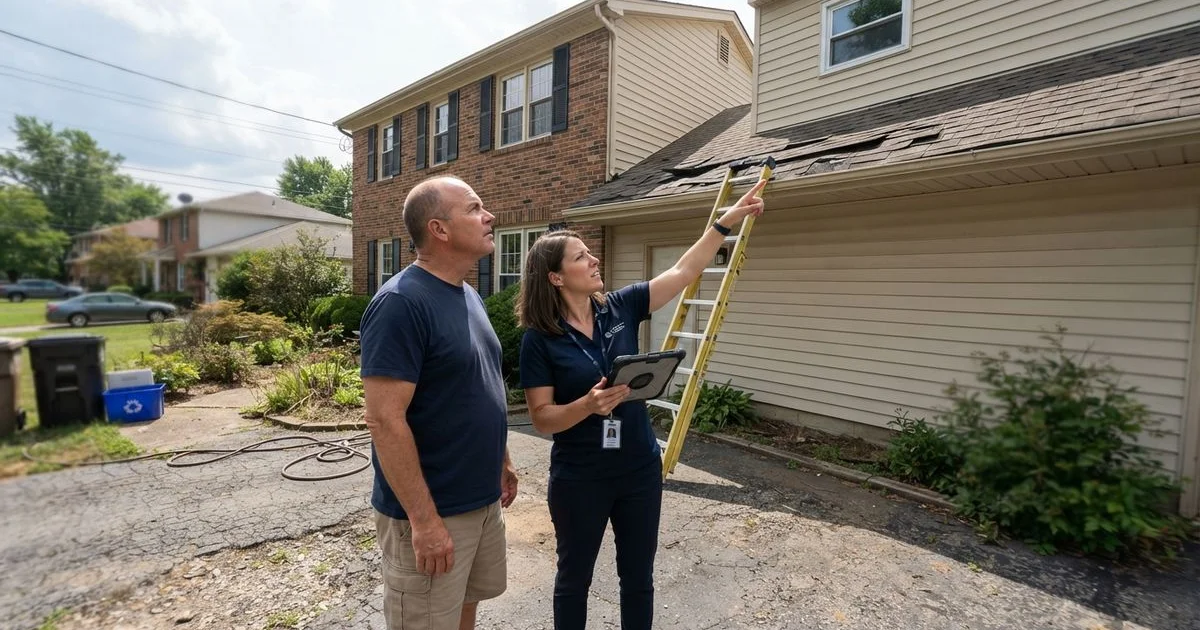
Roof damage is one of the more common reasons Ontario homeowners file a home insurance claim, but coverage depends heavily on the cause of the damage and the specifics of your policy. This is general information, not insurance or legal advice; your policy wording and your insurer’s assessment determine what is actually covered in your situation.
What is typically covered
Most standard home insurance policies in Ontario cover sudden and accidental damage: a tree limb falling on the roof during a storm, wind tearing off shingles, hail impact, or a fire. The common thread is that the damage happened suddenly and was not something a reasonable amount of maintenance would have prevented. If a storm causes an active leak, most policies also cover the resulting interior water damage, in addition to the roof repair itself.
What is typically excluded
Gradual wear is the main exclusion. A roof that reaches the end of its expected lifespan and starts leaking from age is generally treated as a maintenance issue, not an insurable event, since insurance is built around sudden, unforeseen loss rather than the expected aging of a building component. Damage that results from a lack of maintenance, such as a leak that developed because gutters were never cleaned and water backed up under the roofline over time, can also be denied on the basis that it was preventable.
Some policies have specific exclusions or sub-limits for certain causes, so it is worth reading your policy’s roofing-related language directly rather than assuming based on what a policy covered at a previous home.

How age can affect a claim
Some insurers apply depreciation to older roofs, meaning a payout may be reduced based on the roof’s age even for an otherwise covered event. A few policies offer replacement cost coverage without this reduction, but that is a specific policy feature, not a given. If your roof is approaching the higher end of its expected lifespan, it is worth asking your insurer directly how age-related depreciation would apply to a future claim.
Comparing covered and excluded causes
| Cause of damage | Typically covered | Typically excluded |
|---|---|---|
| Windstorm tearing off shingles | Usually covered | n/a |
| Tree limb falling on the roof | Usually covered | n/a |
| Hail impact | Usually covered | n/a |
| Roof reaching end of expected lifespan | n/a | Usually excluded |
| Leak from lack of maintenance | n/a | Usually excluded |
| Gradual seepage over time | n/a | Often excluded |
Steps if you need to file a claim
Photograph the damage as soon as it is safe to do so, before any temporary repair like tarping. Keep receipts for any emergency work done to prevent further damage, since many policies reimburse reasonable temporary repair costs. Get a written estimate from a contractor for the permanent repair, and report the claim to your insurer promptly, since delays can sometimes complicate the process. For a sense of what that estimate should look like, see our guide on what roofing projects cost in Ontario.
Working with an adjuster
Your insurer will typically send an adjuster to assess the damage before approving a claim. It is reasonable to have your own contractor’s estimate available for comparison, since an adjuster’s initial figure and a contractor’s actual repair cost do not always match. If there is a meaningful gap between the two, ask your insurer to explain the difference rather than simply accepting a lower payout without understanding the reasoning.
The deductible factor
Every policy has a deductible, the amount you pay out of pocket before coverage kicks in. For a smaller repair, it is worth comparing the repair cost against your deductible before filing a claim at all, since a claim that barely exceeds the deductible may not be worth the potential effect on your claims history and future premium. For a larger repair or full roof replacement, the deductible is usually a small fraction of the total cost and filing makes clear financial sense.
If a claim is denied and you believe the damage should be covered, ask your insurer for the specific policy language behind the decision. You are entitled to understand the reasoning, and in some cases additional documentation from a contractor or an independent adjuster can support an appeal.
To find a contractor who can provide a written estimate and documentation for an insurance claim, browse our directory categories from the Ontario Roofing Directory homepage. We evaluate listed contractors using the criteria described in our ranking method.
Frequently asked questions
- Does home insurance cover roof damage from a storm?
- Sudden, accidental damage from events like wind, hail, or a fallen tree is commonly covered, but exact terms vary by policy and insurer. Always check your specific policy wording or ask your insurer directly rather than assuming.
- Is roof damage from wear and aging covered?
- Generally no. Most policies treat gradual deterioration, like an aging roof reaching the end of its lifespan, as a maintenance issue rather than an insurable event, since insurance is designed for sudden and accidental loss.
- Will filing a claim raise my premium?
- It can, depending on your insurer and claims history. Ask your insurer how a specific claim might affect your premium before deciding whether to file, especially for smaller repairs where the cost might be close to your deductible.
- What if my insurer denies part of a roof claim?
- You can request a written explanation of the denial and ask what documentation would change the outcome. For larger disputes, a public adjuster or legal advice may be worth considering, particularly for significant claims.