Roof leaks and mold risk in Ontario homes: warning signs and what to do
By Marcus Ramos · Updated 2026-08-07
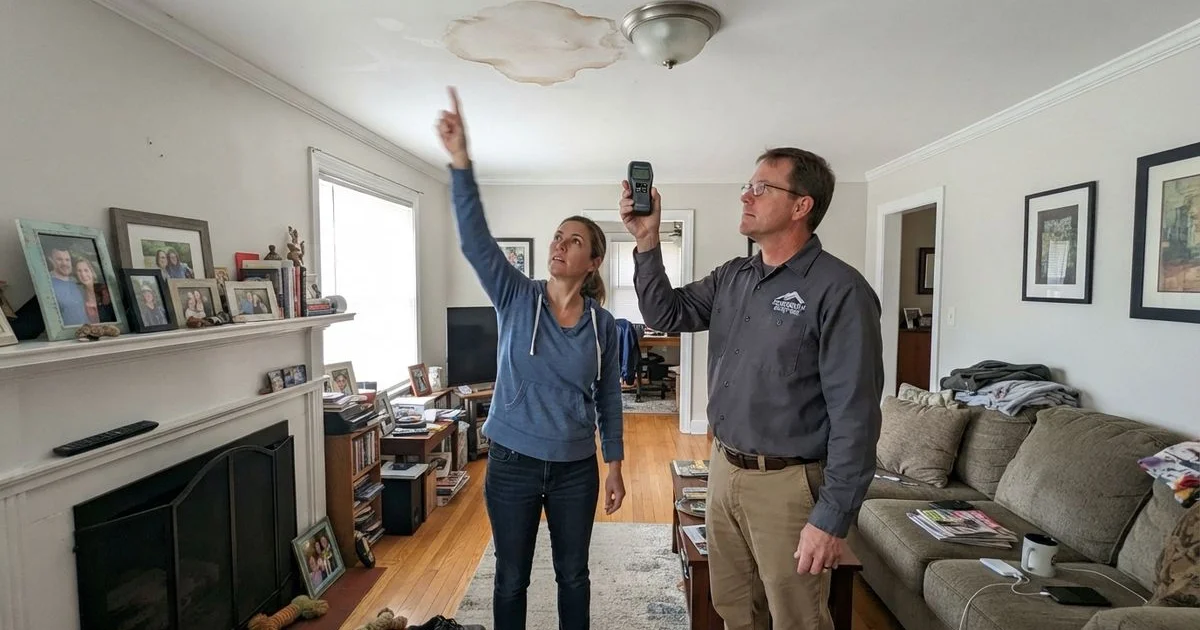
A roof leak is a water problem first, but if it goes unnoticed or unaddressed, it can turn into a mold problem within days. Ontario’s humid summers and enclosed attic spaces in winter both create conditions where trapped moisture does not dry out on its own. This is general information, not medical or health advice; consult a health professional if you have specific concerns about mold exposure.
Why roof leaks are a mold risk specifically
Unlike a burst pipe, a roof leak is often slow and intermittent, which means the affected area can stay damp for a long stretch of time without anyone noticing. Attics, in particular, are enclosed, poorly lit, and rarely checked regularly, making them a common spot for mold to develop unseen behind insulation or on the underside of the roof decking.
Warning signs worth acting on
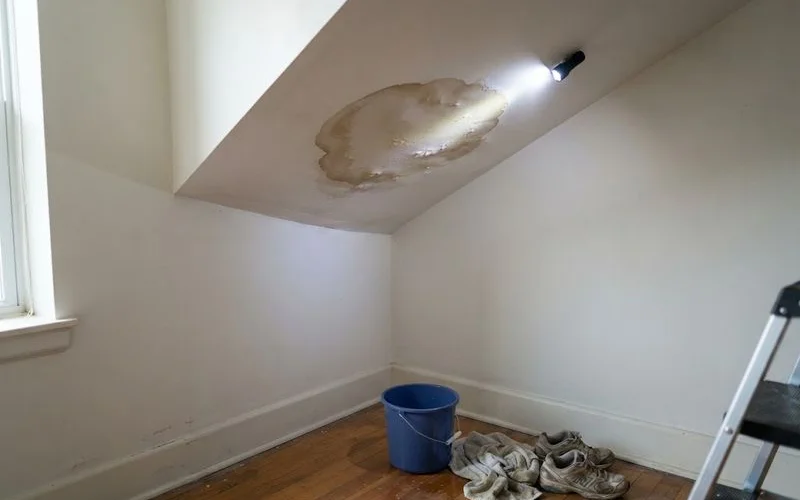
A musty smell that does not go away, especially concentrated in an attic, closet, or top-floor room, is often the first sign, sometimes appearing before any visible growth. Visible staining on a ceiling or upper wall, even if it looks dry, suggests water has been present and may still be trapped behind the surface. Peeling paint, bubbling drywall, or a ceiling that feels soft to the touch are all signs of ongoing moisture exposure. Visible mold, whether dark spots, fuzzy patches, or a green or black discoloration, means growth is already established.
What to do when you spot signs
The first priority is stopping the water source. A roof leak that keeps feeding moisture into a space makes any cleanup temporary, since new dampness will support new growth even after a surface is cleaned. Once the leak is addressed, dry out the area as quickly as possible using fans and dehumidifiers if the space allows for it, and remove or replace materials that stayed wet for an extended period, since drywall and insulation do not always dry fully once saturated.
Small cleanup vs professional remediation
| Situation | Reasonable approach |
|---|---|
| Small surface mold on a hard, non-porous surface | Homeowner cleanup with gloves and proper ventilation |
| Mold covering a larger area (roughly larger than a square metre) | Professional remediation recommended |
| Mold inside wall cavities, insulation, or ductwork | Professional remediation recommended |
| Recurring mold after previous cleanup | Points to an unresolved moisture source; get it inspected |
| Household member with respiratory sensitivity | Lean toward professional handling regardless of size |
Preventing it from happening again
Once the leak is repaired and the area is cleaned or remediated, the best prevention is catching future leaks earlier. A seasonal roof check, paying attention to attic ventilation, and addressing any staining or musty smell right away rather than waiting for it to worsen all reduce how much time moisture has to sit undisturbed.
Why attics are especially at risk
Attics combine several conditions that favour mold growth: limited airflow, insulation that can trap moisture against the roof decking, and infrequent visits that mean a small leak can go unnoticed for months. Balanced ventilation, moving fresh air through the space rather than letting it sit stagnant, is one of the most effective long-term defenses, since it helps any incidental moisture dry out before it becomes a sustained problem. Our guide on attic ventilation and insulation covers how to get that airflow balance right.
Insurance and documentation
If mold develops as a result of a covered event, such as sudden storm damage that caused a roof leak, document both the original damage and the resulting mold growth with photos and dated notes. Coverage for mold remediation varies by policy and is sometimes subject to specific limits, so review your policy or ask your insurer directly rather than assuming full coverage applies.
If you are dealing with an active leak, a specialist in waterproofing and leak diagnosis can trace the source and stop the water before it causes more damage. Compare providers in our waterproofing service category, ranked using our ranking method. Visit the Ontario Roofing Directory homepage for other roofing categories if the source turns out to be structural.
Frequently asked questions
- How quickly can mold develop after a roof leak?
- Mold can begin growing within 24 to 48 hours in damp, warm conditions, which is why drying out affected materials quickly matters as much as fixing the leak source itself.
- Can I smell mold before I can see it?
- Often yes. A persistent musty odor, especially in an attic or top-floor room, can precede visible growth, particularly if the mold is developing inside a wall cavity or above a ceiling where you cannot see it directly.
- Do I need a specialist to remove mold from a roof leak?
- Small, isolated surface mold on a hard surface can sometimes be cleaned by a homeowner with proper protective equipment. Larger areas, mold inside wall or ceiling cavities, or any health concerns warrant a specialist, since improper handling can spread spores rather than remove them.
- Will fixing the roof leak stop the mold on its own?
- No. Fixing the leak stops new moisture from entering, but existing mold growth and damaged materials generally still need to be addressed separately, and affected insulation or drywall may need replacing rather than just drying.